Art, Bureaucracy, and Silenced Histories in Colonial India
Peltz Gallery, London
25 April – 12 July 2024
‘What is really striking about these images is what they hide in plain sight’
— Apollo Magazine. Read the full review
‘Exhibitions like this demonstrate that just because something is on paper doesn’t mean it’s implicitly trustworthy’
— Related Materials. Read the full review
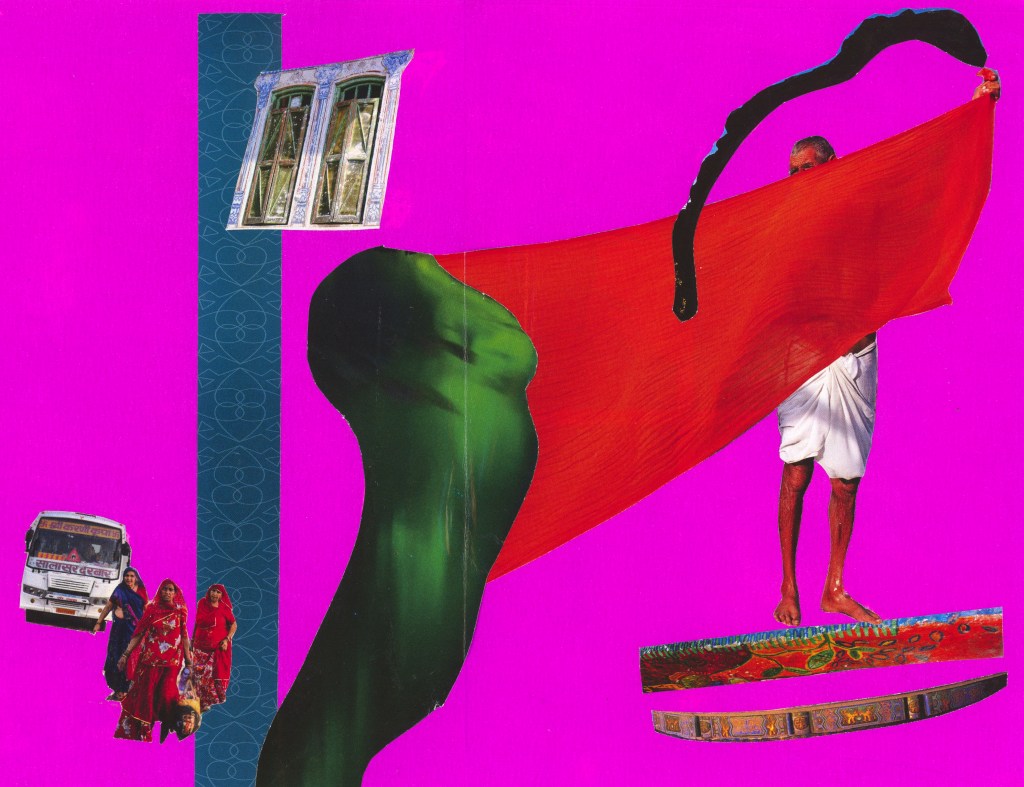
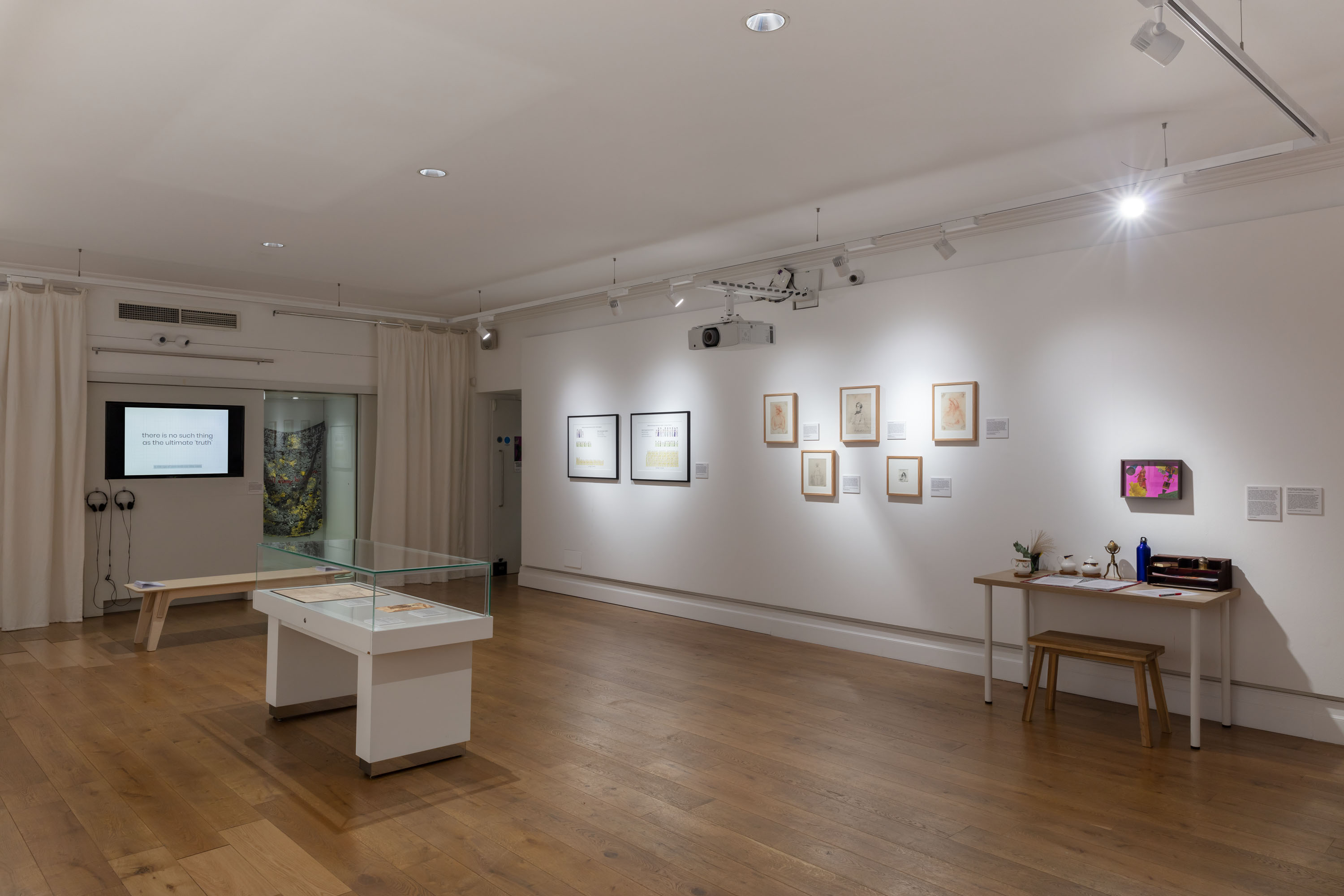
Who gets remembered, and who forgotten? This exhibition examined a collection of works on paper made by British colonialists in nineteenth-century India. Seen in public for the first time, the collection was placed into dialogue with contemporary artworks by Ravista Mehra and Divya Sharma. Paper Cuts critically reflects on the silencing effect of the colonial archive — and points toward a more equitable future.
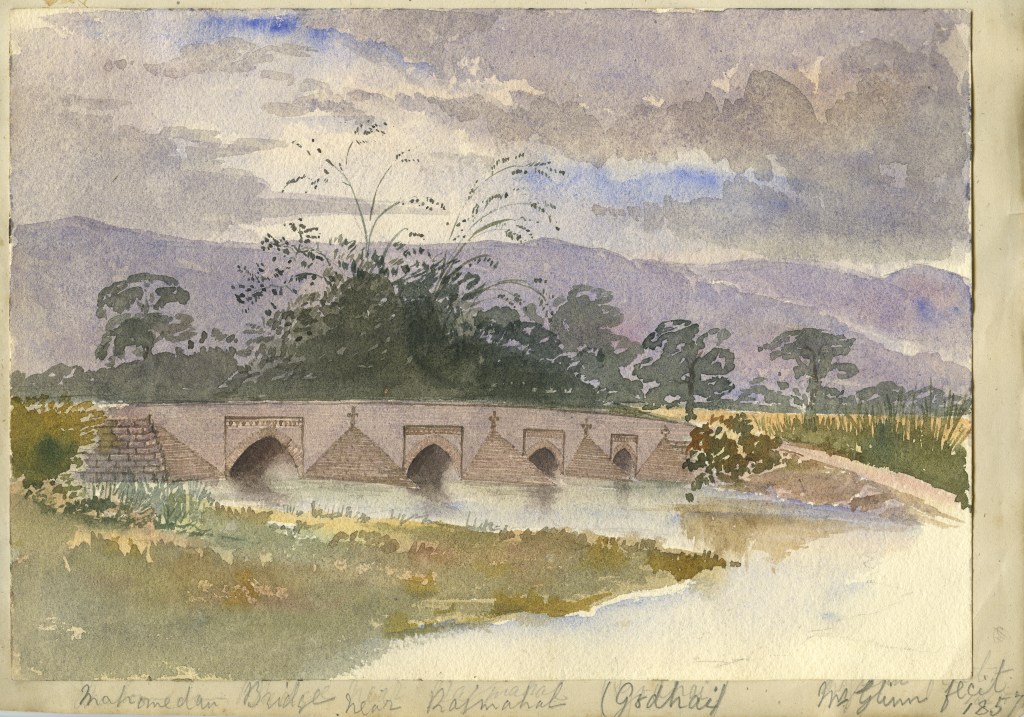
The British governed India by paper as much as by force. Reams of it circulated in the form of records, contracts, and trade receipts. Taxation and other methods of extracting wealth likewise relied on paper.
Paper also created a visual record. In 1851 Scottish engineer George Turnbull arrived in India tasked with building its first long-distance railway. While there, Turnbull collected drawings and watercolours by his colleagues, creating an archive that depicts the region from the perspective of the British engineers building the railway. Paper Cuts is the first time these images have been publicly displayed.
Read more about the Turnbull Collection on Art UK
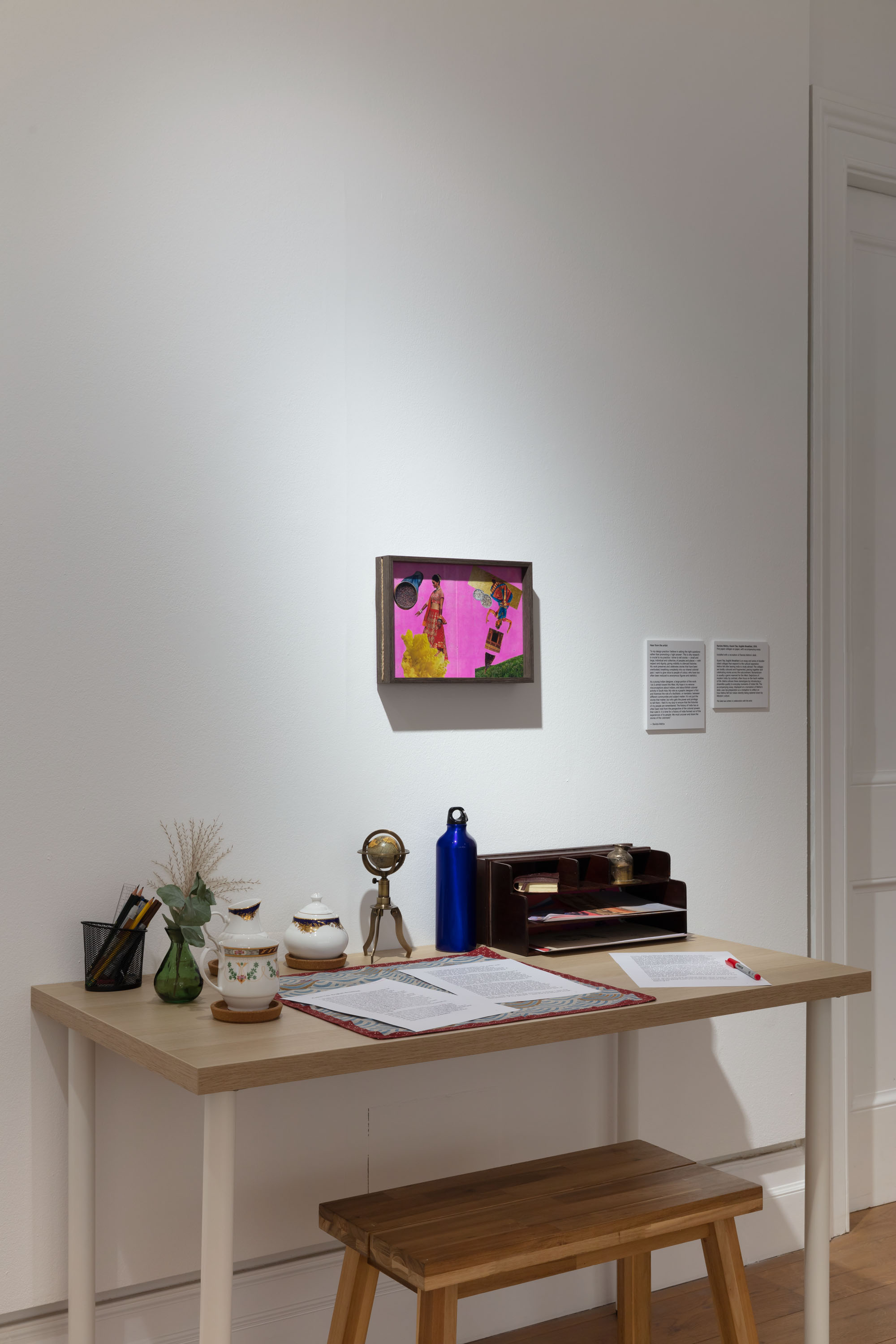
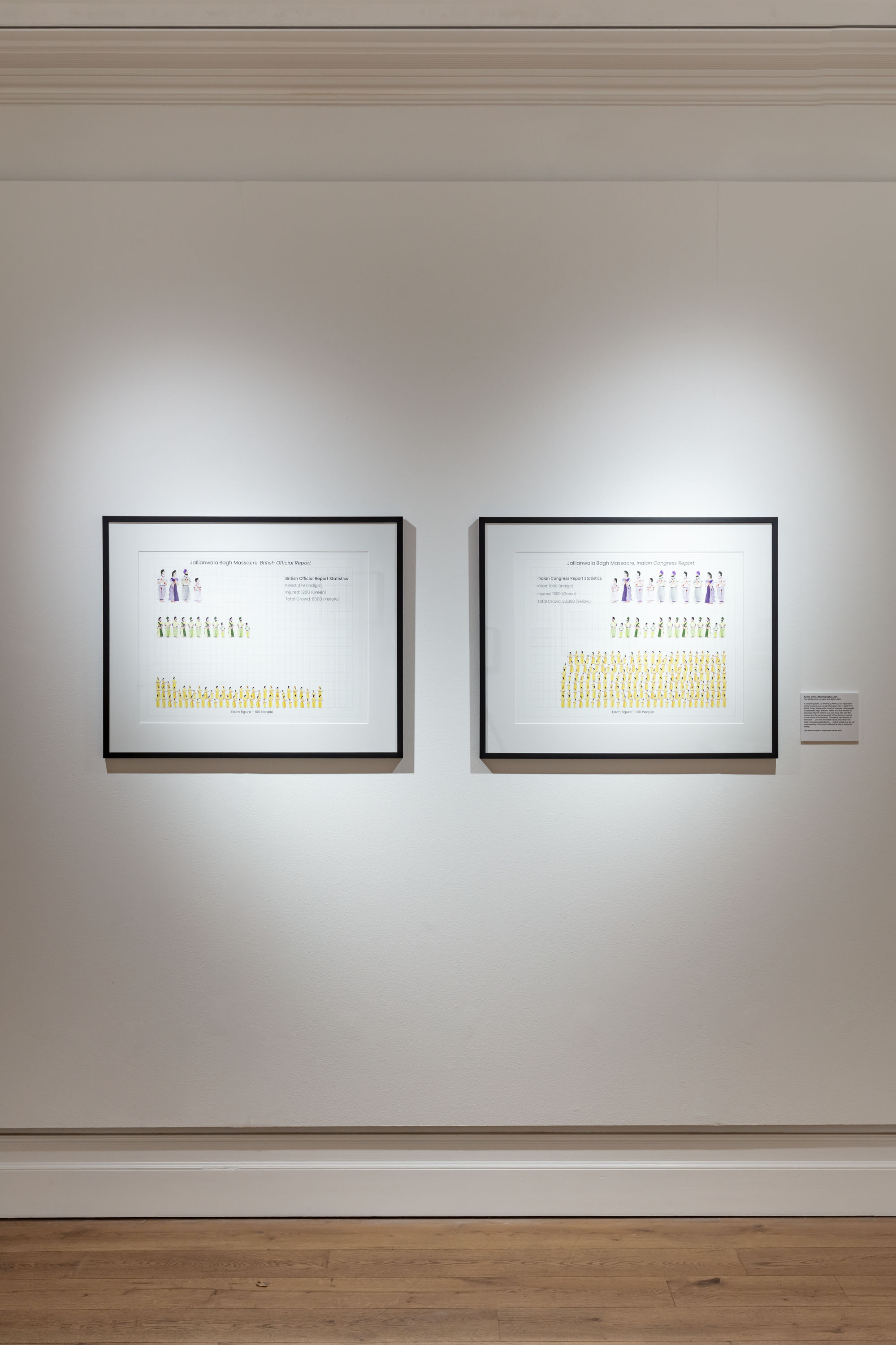
Like many colonial archives, the Turnbull Collection foregrounds the British while silencing the stories of the Indian people portrayed. How can we remember what has been forgotten? This exhibition invites two Indian artists, Ravista Mehra and Divya Sharma, to intervene through contemporary artworks. Combining past and present, we can create a more equitable future.
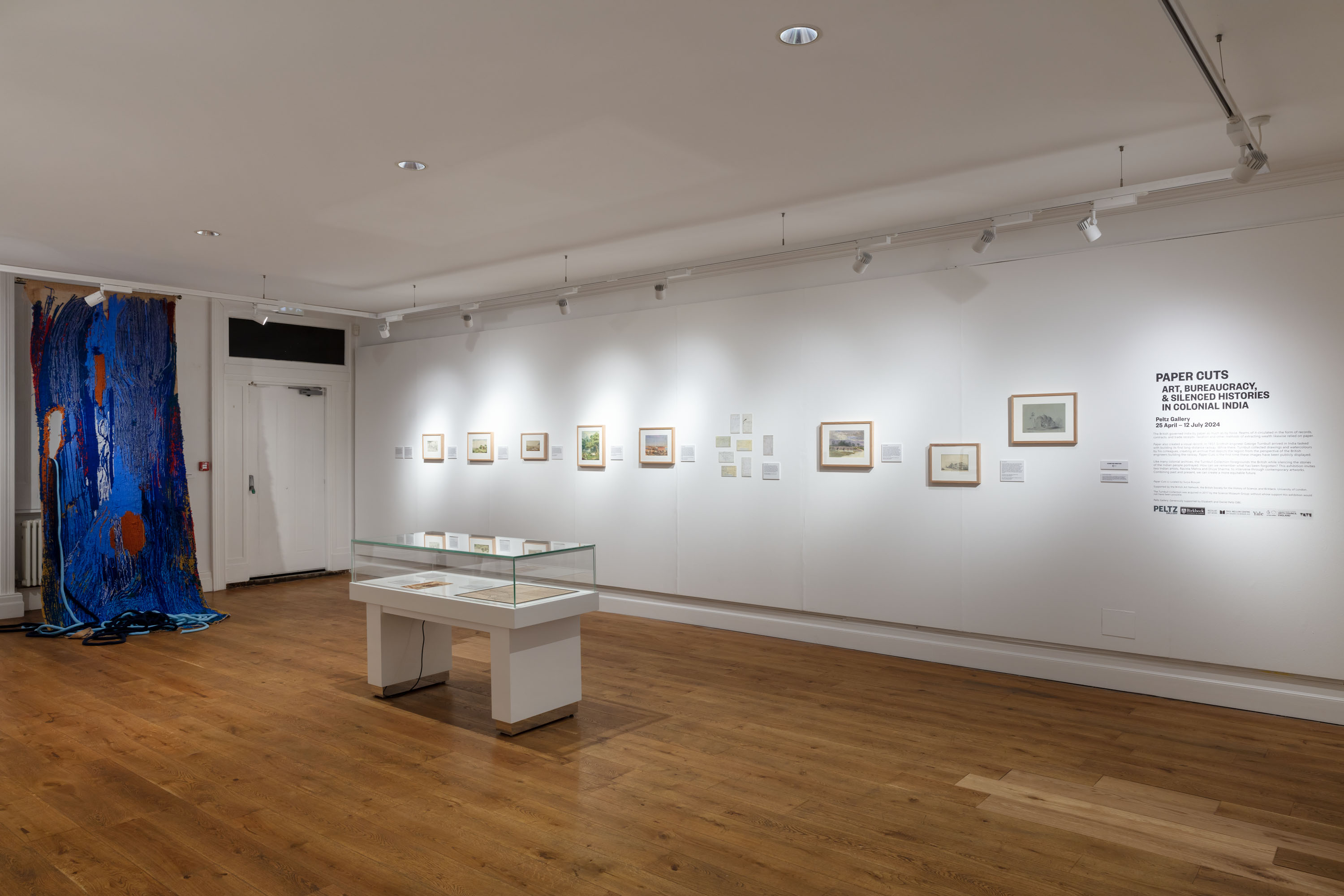
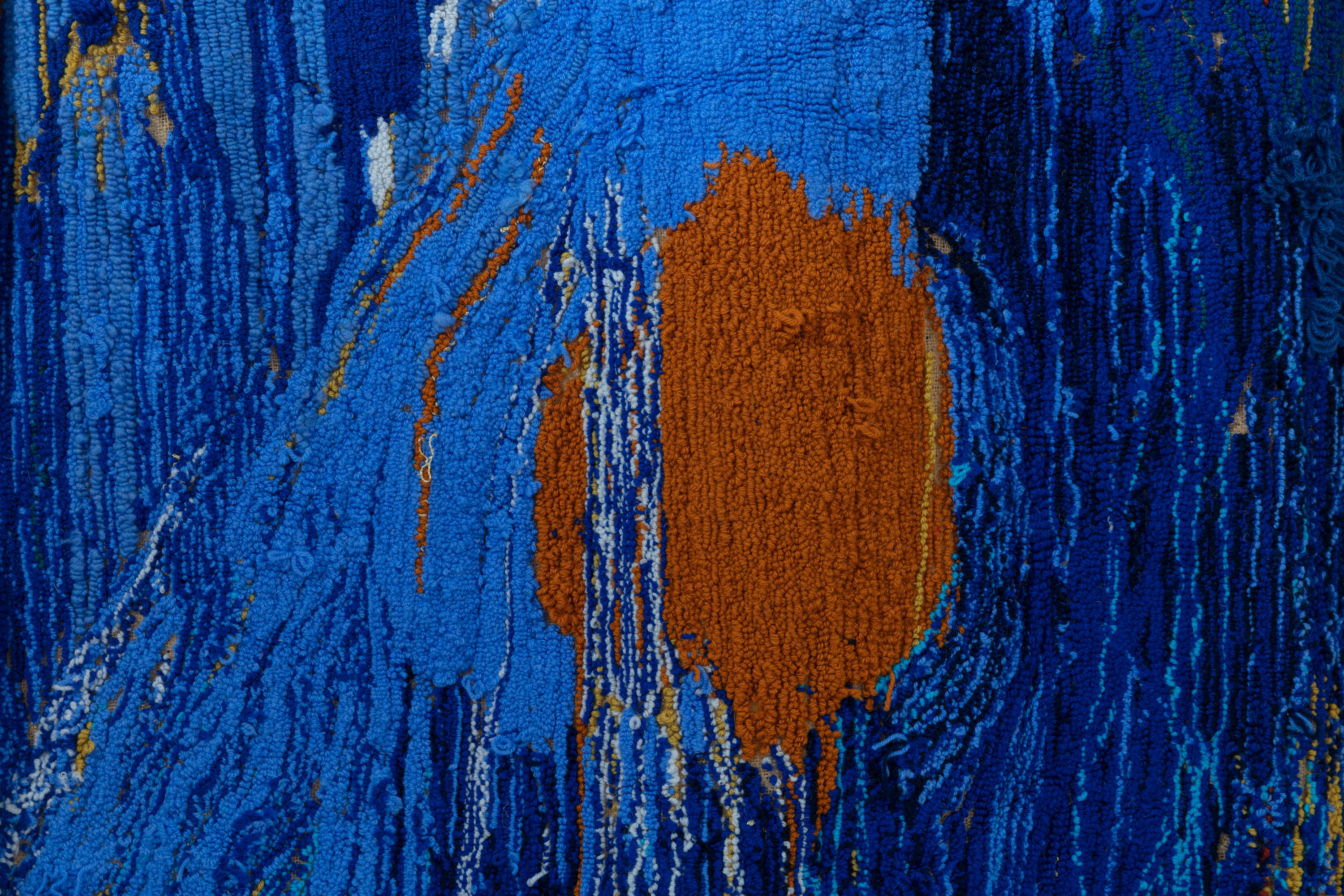
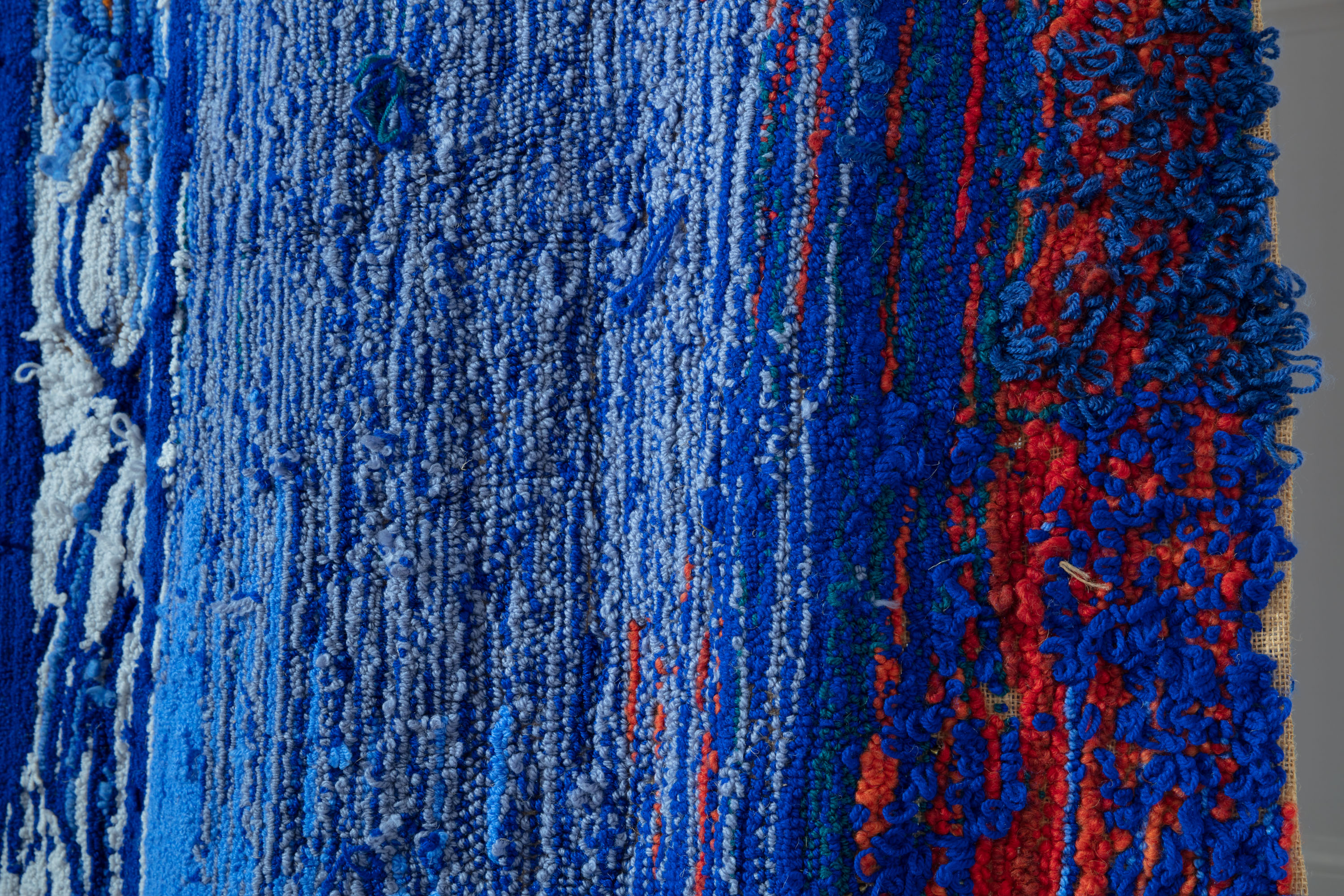
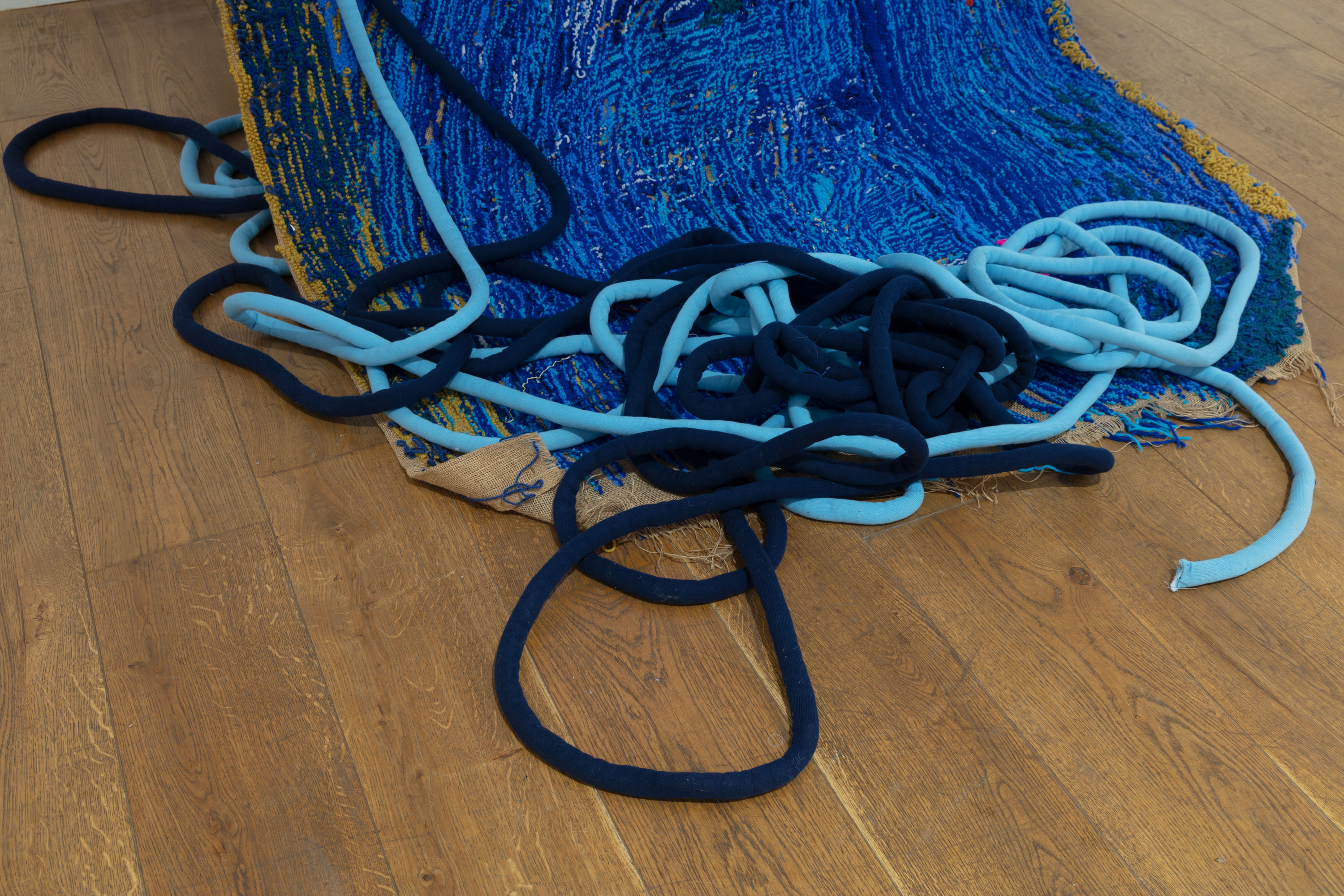
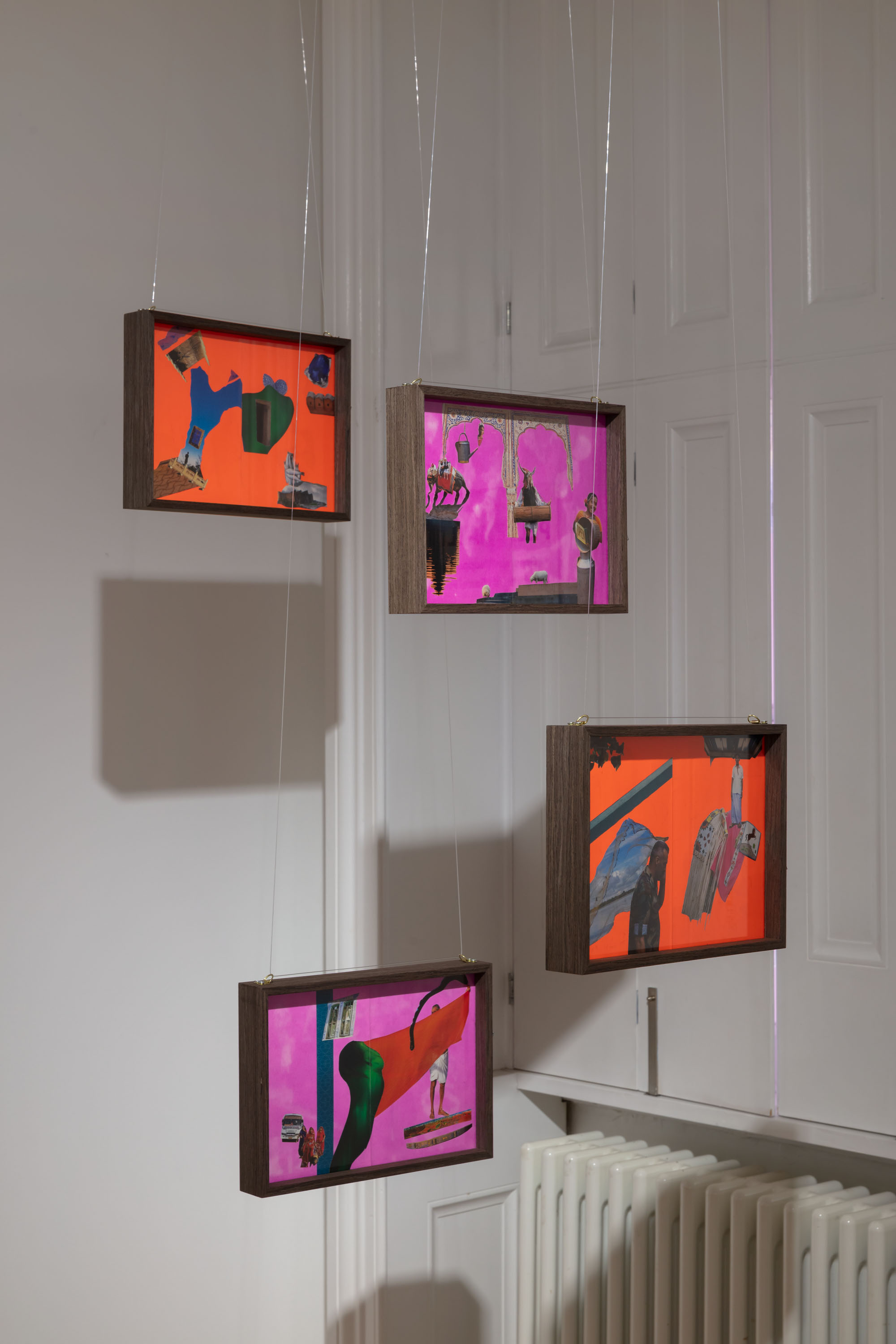

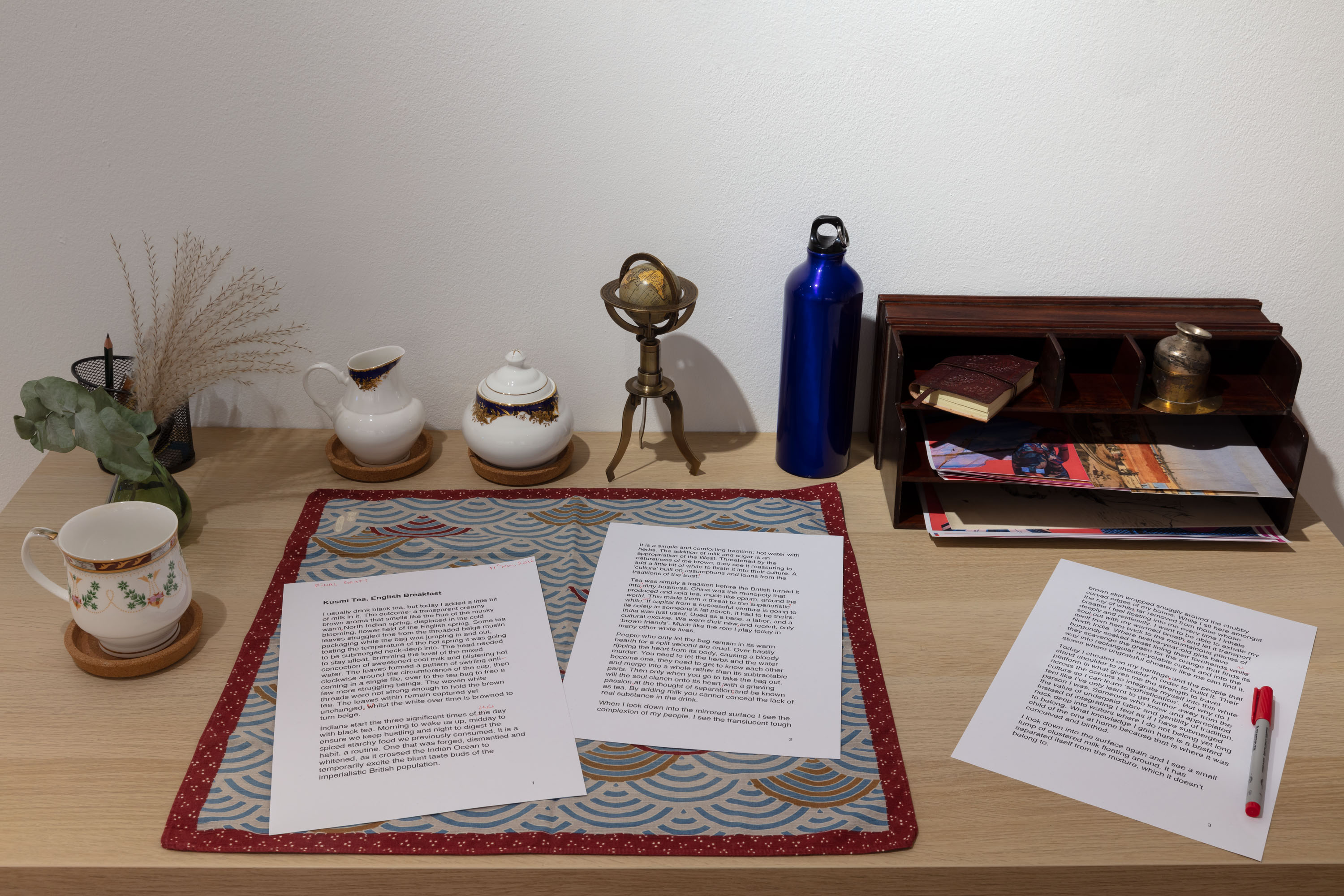


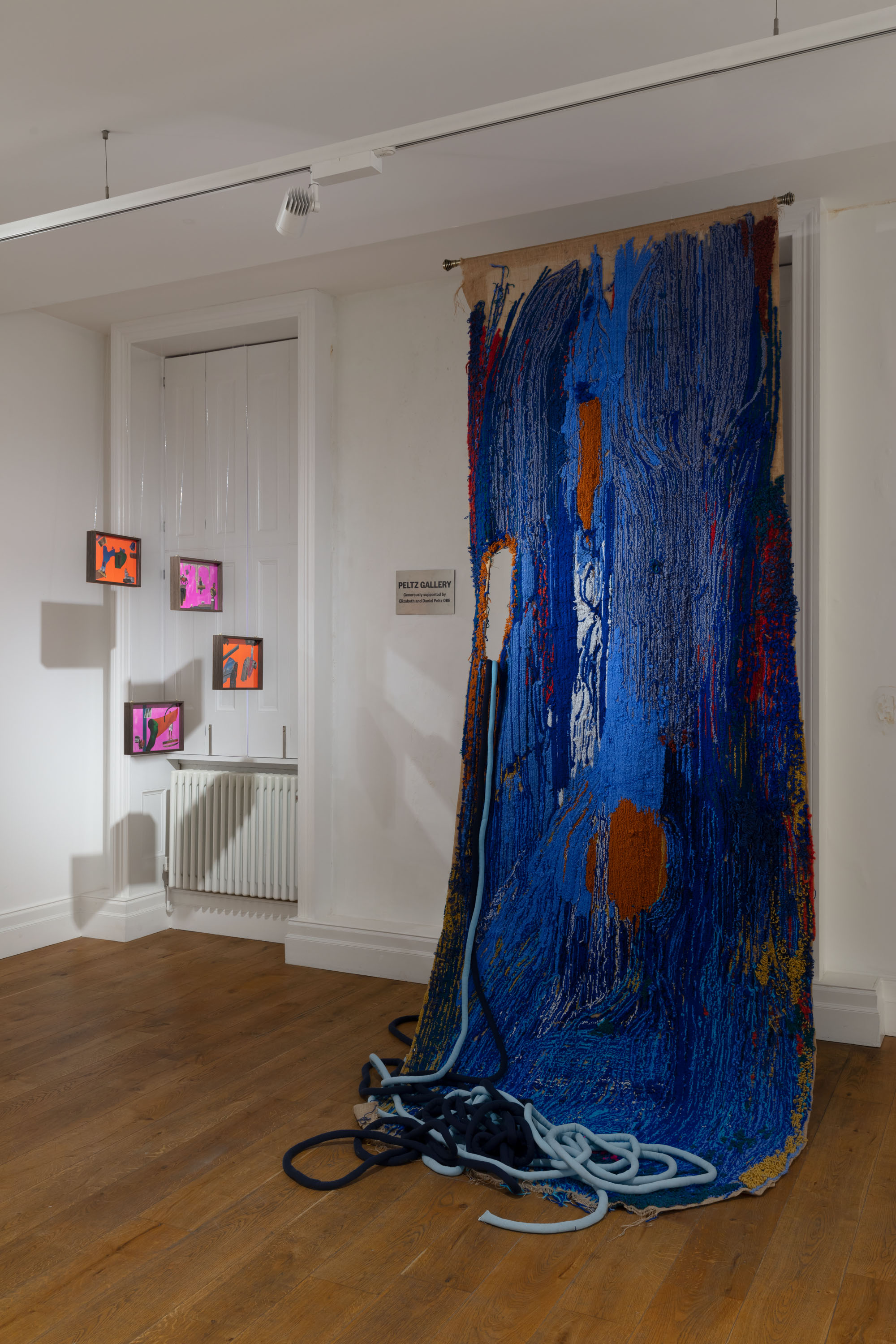
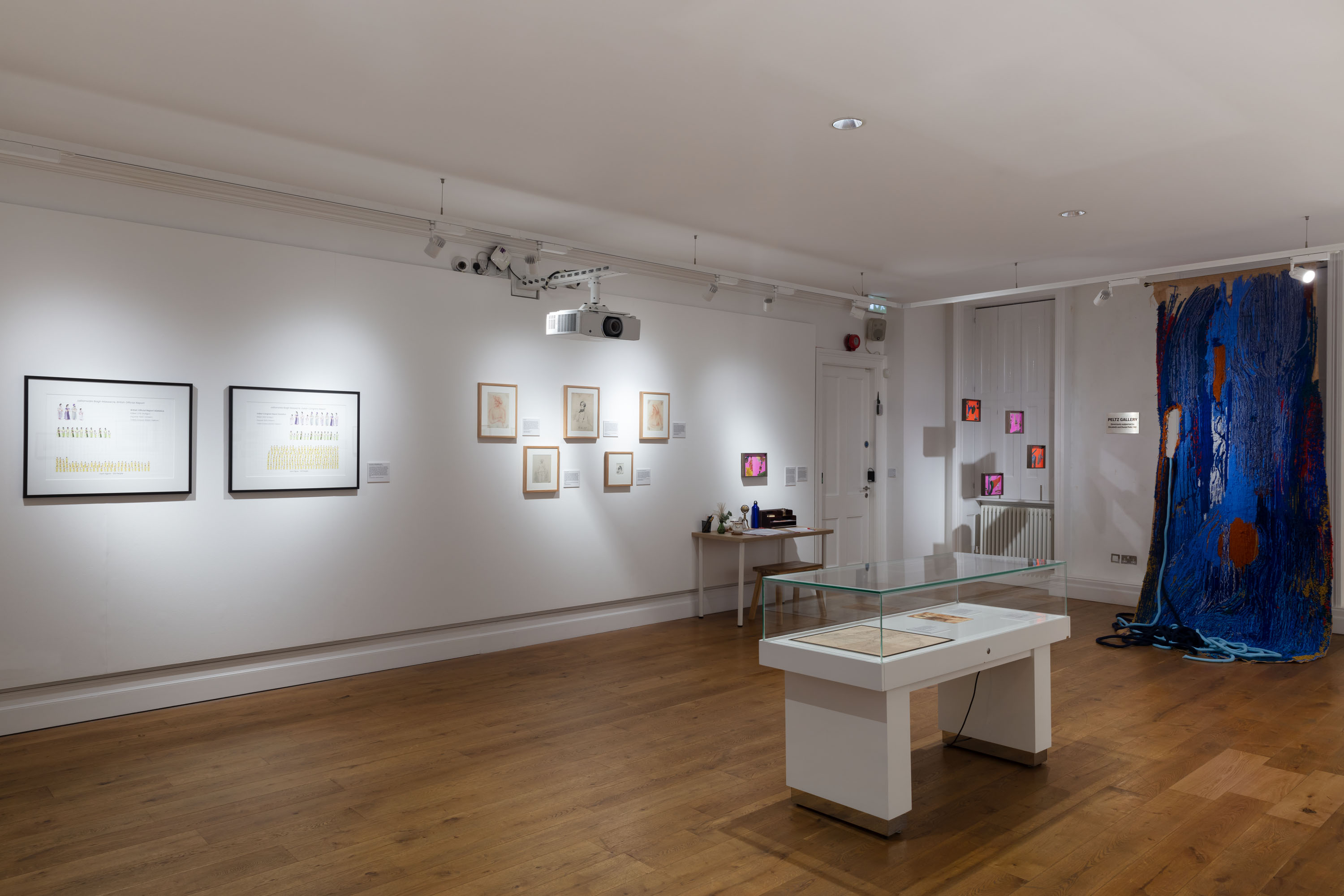
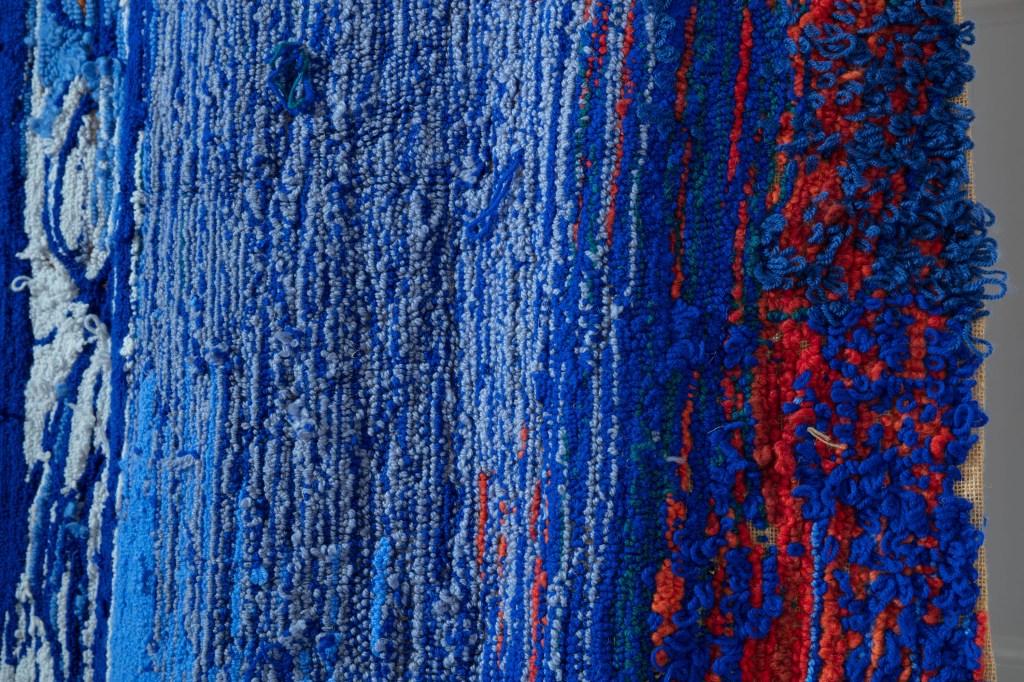
“My work reflects on my journey as an immigrant, splicing together autobiographical and fictional narratives that re-imagine what it means to belong. I aim to spark conversations around themes of diaspora, migration, and the continued legacies of colonialism. Faced with histories that have been silenced by imperial regimes, I use my work to envisage new stories.” — Divya Sharma
“I feel it’s my duty to ensure that the histories of my people are remembered. The history of India has so often been told from the perspective of the colonial powers that ruled it. It is time for a history of India formed out of the experiences of its people. We must uncover and share the stories of the colonised.” — Ravista Mehra
Divya Sharma has a BA (Hons) in Fine Art from University of the Arts London and a master’s in Sculpture from the Royal College of Art. She is a founding member of The Neulinge Collective and The Post Colonials Collective and is the host of the ARTiculate podcast. She has co-curated shows in London and Karachi, and was featured in New Contemporaries at South London Gallery (London), alongside exhibitions at ReKontakt (Ankara), the NAE Open (Nottingham), Stephen Lawrence Gallery (London), the CroydonBID project (London), Koppel Studios (London), and the Collect Art Fair at Somerset House (London). Divya received Arts Council Funding in 2023.
Ravista Mehra is a research-driven, multilingual visual storyteller and educator from New Delhi, India, based in London. She has a BFA in Graphic Design, Comparative Literature and Creative Writing from the Rhode Island School of Design, and a master’s in Visual Communication from the Royal College of Art. Her practice lies in decolonising the human narrative through the interdisciplinary fields of graphic design, experiential design, and post-colonial history. In 2024, Design x Design selected Ravista as one of the top 20 designers in India under the age of 35, for her work in uplifting communities through respectful and human-conscious storytelling.
George Turnbull (1809–1889) is remembered as the first railway engineer of India. Born and raised in Scotland, he moved to London to train under civil engineer Thomas Telford. After being involved in major industrial projects across Britain, he was in 1850 appointed Chief Engineer of the East Indian Railway. He retired in 1863 and, after refusing a knighthood, spent the rest of his life in London and Hertfordshire.
Curator: Surya Bowyer
Events & Exhibitions Producer: Adam Castle
Marketing, Events, and Exhibition Assistant: Maria Vittoria Albertini Petroni
Art Technician: Lisa Penny
Supported by the British Art Network, the British Society for the History of Science, and Birkbeck, University of London.
With thanks to Dr. Louise Owen (former Peltz Gallery Director) and Birkbeck staff including: Dr. Sarah Thomas; Arts Space Steering Committee; Customer Service Coordinators at Gordon Square; Estates and Facilities; IT Services. The Turnbull Collection was acquired in 2017 by the Science Museum Group, without whose support this exhibition would not have been possible.
Events
Artists’ Talk: Ravista Mehra and Divya Sharma
Tuesday 28 May 2024, 6 – 7:30pm
Keynes Library, Birkbeck, 43 Gordon Square, WC1H 0PD
Join the two exhibited artists of Paper Cuts, Ravista Mehra and Divya Sharma, in conversation with the exhibition curator Surya Bowyer. They will discuss their work to date, artistic education, and the ideas that permeate their creative practices.
Expert Panel: Curating Colonialism and Silenced Histories
Tuesday 11 June 2024, 6 – 7:30pm
Online via Zoom
Join an expert panel from the cultural sector as they discuss the challenges and opportunities of curating colonialism and silenced histories. Chaired by exhibition curator Surya Bowyer. Supported by the British Art Network.
Panel:
Zandra Yeaman, Hunterian Museum, Glasgow
Sushma Jansari, British Museum, London
Alex Patterson, Walker Art Gallery, Liverpool
Early Career Workshop: Curating Colonialism and Silenced Histories
Tuesday 18 June 2024, 6 – 8pm
Keynes Library, Birkbeck, 43 Gordon Square, WC1H 0PD
Are you an early career academic or cultural sector worker? Join this friendly, hands-on workshop on curating colonialism and silenced histories with exhibition curator Surya Bowyer — and get a chance to re-curate Paper Cuts.
 Surya Bowyer